| 0,1,2,3,4,5,6,7,8,9,etc. | see 1-9 reference below | |||||||||||||||||||||||||||||||||||||||||||||||||||||||||||||||||||||||||||||||||||||||||||||
| I,II,III,IV,V,VI,VII,VIII,i,ii,iii,iv,v,vi,vii,viii | ||||||||||||||||||||||||||||||||||||||||||||||||||||||||||||||||||||||||||||||||||||||||||||||
 | staff, stave or pentagram: a framework of five lines on which musical notation is written such that the higher the note-sign on the staff the higher its pitch | |||||||||||||||||||||||||||||||||||||||||||||||||||||||||||||||||||||||||||||||||||||||||||||
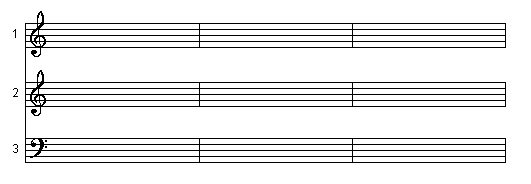 | system: notation of a line of music including all the parts and voices involved, presented in a group of two or more staves which are joined together on the left hand side by a vertical bar (called a systemic barline) and a brace (the brace is not shown in this image) | |||||||||||||||||||||||||||||||||||||||||||||||||||||||||||||||||||||||||||||||||||||||||||||
 | barline: a vertical line (or lines) drawn across a staff (or if there are many lines, across a number of staves) to mark off measures (or bars) of a particular length, i.e. containing a number of notes and/or rests whose total time value is given by the time signature | |||||||||||||||||||||||||||||||||||||||||||||||||||||||||||||||||||||||||||||||||||||||||||||
 | dashed, dotted or auxiliary barline: used to mark divisions within a bar (measure), i.e. between two solid barlines, or to show that the barline is not necessarily marking periodic agogic accents in the music (as where unbarred polyphonic music is edited with barlines, or the work employs mixed metres) | |||||||||||||||||||||||||||||||||||||||||||||||||||||||||||||||||||||||||||||||||||||||||||||
 | music start: barline placed at the beginning of a section of a piece of music | |||||||||||||||||||||||||||||||||||||||||||||||||||||||||||||||||||||||||||||||||||||||||||||
 | music end: barline denoting the end of a piece of music | |||||||||||||||||||||||||||||||||||||||||||||||||||||||||||||||||||||||||||||||||||||||||||||
| brace: used with a line to joining multiple staves, for example, as found in piano music | |||||||||||||||||||||||||||||||||||||||||||||||||||||||||||||||||||||||||||||||||||||||||||||
 | bracket: used with a perpendicular line joining multiple staves, for example, as found in piano music | |||||||||||||||||||||||||||||||||||||||||||||||||||||||||||||||||||||||||||||||||||||||||||||
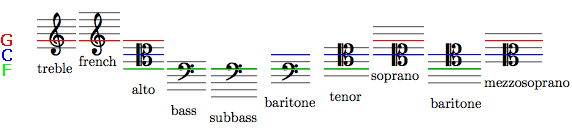 | clef: graphical symbol placed on the left of the stave which establishes the relationship between particular note names and their position on the staff lines and spaces (i.e. tells us which pitch "class" that stave belongs to).
At the suggestion of Nick Meiners, we show the relative pitch positions of the commonly used clefs
G-clef (e.g. treble clef) marks G above middle C | |||||||||||||||||||||||||||||||||||||||||||||||||||||||||||||||||||||||||||||||||||||||||||||
 | old C-clef sign, i.e. old alto, tenor, soprano, baritone and mezzosoprano clef sign | |||||||||||||||||||||||||||||||||||||||||||||||||||||||||||||||||||||||||||||||||||||||||||||
 | a G-clef sign found in the score of La Bohème by Giacomo Puccini (1858-1924) published by Ricordi: a G-clef used for the tenor voice (for this reason it is called the tenor G clef), where the note sounds one octave lower than written had the clef been the standard treble G clef [image provided by John Garside] | |||||||||||||||||||||||||||||||||||||||||||||||||||||||||||||||||||||||||||||||||||||||||||||
 | a C-clef sign found in the score of Sankey and Stebbins - The Male Chorus, 'for use in Gospel Meetings, Christian Associations and other Religious Services' which marks middle C as being on the second space from the top of four. The clef is equivalent to an octave G clef called the tenor G clef where that space would be occupied by a C one octave above middle C but the note sounds one octave lower [image provided by Dick Adams] | |||||||||||||||||||||||||||||||||||||||||||||||||||||||||||||||||||||||||||||||||||||||||||||
 | G-clef ottava alta | |||||||||||||||||||||||||||||||||||||||||||||||||||||||||||||||||||||||||||||||||||||||||||||
 | G-clef ottava bassa | |||||||||||||||||||||||||||||||||||||||||||||||||||||||||||||||||||||||||||||||||||||||||||||
 | F-clef ottava alta | |||||||||||||||||||||||||||||||||||||||||||||||||||||||||||||||||||||||||||||||||||||||||||||
 | F-clef ottava bassa | |||||||||||||||||||||||||||||||||||||||||||||||||||||||||||||||||||||||||||||||||||||||||||||
 | alternative percussion clef, indefinite pitch clef or neutral clef | |||||||||||||||||||||||||||||||||||||||||||||||||||||||||||||||||||||||||||||||||||||||||||||
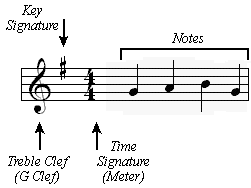 | the main elements of a musical score | |||||||||||||||||||||||||||||||||||||||||||||||||||||||||||||||||||||||||||||||||||||||||||||
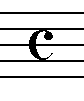 | common time: equivalent to a time signature of 4/4, namely four crotchets (quarter notes) to a bar (measure) | |||||||||||||||||||||||||||||||||||||||||||||||||||||||||||||||||||||||||||||||||||||||||||||
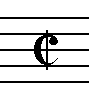 | alla breve: also called 'cut time' or 'alla cappella time'; marked with a large C with a vertical line through it, used for quick duple time in which the minim or half note is given one beat instead of two. (occasionally written with two parallel vertical lines through a large C) | |||||||||||||||||||||||||||||||||||||||||||||||||||||||||||||||||||||||||||||||||||||||||||||
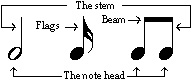 | anatomy of a note, a single sound of a particular pitch and length which is notated with a symbol made up of a notehead (in all cases), a stem (in some cases) and a flag (in some cases), and which with notes bearing flags are grouped together using a beam | |||||||||||||||||||||||||||||||||||||||||||||||||||||||||||||||||||||||||||||||||||||||||||||
 | in music for stringed instrument, a single pitch to be played on two different strings, each appropriately fingered. A similar notation might also be found in a short score where two parts are being notated on a single line as a unison, in which case the upward stem will be of the higher or first part and the downward stem will be of the lower or second part. | |||||||||||||||||||||||||||||||||||||||||||||||||||||||||||||||||||||||||||||||||||||||||||||
 | sprechgesang stem | |||||||||||||||||||||||||||||||||||||||||||||||||||||||||||||||||||||||||||||||||||||||||||||
| sprechgesang: speech-song, a term used by Arnold Schönberg (1874-1951) to describe a voice delivery midway between song and speech, although he preferred the terms sprechstimme speaking voice (which was used by Humperdinck in Königskinder [1910]), sprechmelodic (speech melody) or rezitation (recitation) | ||||||||||||||||||||||||||||||||||||||||||||||||||||||||||||||||||||||||||||||||||||||||||||||
| ||||||||||||||||||||||||||||||||||||||||||||||||||||||||||||||||||||||||||||||||||||||||||||||
| ||||||||||||||||||||||||||||||||||||||||||||||||||||||||||||||||||||||||||||||||||||||||||||||
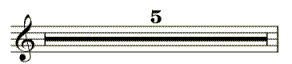 | multi-rest or multiple measure rest: where a number of bars contain only rests, in instrumental parts (and sometimes in scores), the bars are 'collected' together and shown as a single bar contain a rest together with the number of consecutive bars given by a large number placed centrally above the staff over the single bar | |||||||||||||||||||||||||||||||||||||||||||||||||||||||||||||||||||||||||||||||||||||||||||||
 | various note heads listed left to right: top row: plus, circle x, square white, square black, triangle up white, triangle up black, triangle left up white, triangle left up black, triangle right up white middle row: triangle right up black, triangle down white, triangle down black, triangle right down white, triangle right down black, moon white, moon black, triangle-round down white, triangle-round down black bottom row: parenthesis, white, black, cluster white, cluster black, croix, x certain note heads have specific meaning, for example: diamond: special playing modes or notes such as: half-valve, tablature for string harmonics, falsetto voice, silent depression of keys, held keys X: indeterminate pitches, spoken voice and unvoiced sounds, release of certain held notes, noises, ... round pierced by stems: sounds of air blown through an instrument vertical arrow: highest or lowest pitches possible on an instrument triangular : for triangles | |||||||||||||||||||||||||||||||||||||||||||||||||||||||||||||||||||||||||||||||||||||||||||||
| X | as a notehead: indeterminate pitches, spoken voice and unvoiced sounds, release of certain held notes, noises, ... in jazz notation for wind instruments or string instruments, a 'ghost note' is indicated by using an 'x' for the notehead rather than the usual oval. A ghost note is one that is to be played less strongly than the notes around it, the effect is also called 'anti-accent' | |||||||||||||||||||||||||||||||||||||||||||||||||||||||||||||||||||||||||||||||||||||||||||||
 | hauptstimme, (German) principal part or voice | |||||||||||||||||||||||||||||||||||||||||||||||||||||||||||||||||||||||||||||||||||||||||||||
 | nebenstimme, (German) subsiduary or secondary voice or line | |||||||||||||||||||||||||||||||||||||||||||||||||||||||||||||||||||||||||||||||||||||||||||||
 | ottava alta, play notes under this sign one octave higher than written if used with the treble clef, or an octave lower than written if used with the bass clef [entry amended by Steven Sherrill] | |||||||||||||||||||||||||||||||||||||||||||||||||||||||||||||||||||||||||||||||||||||||||||||
 | ottava bassa, play notes under this sign one octave lower than written (used more commonly in the notation of popular music and jazz) [entry corrected by Charles Whitman] | |||||||||||||||||||||||||||||||||||||||||||||||||||||||||||||||||||||||||||||||||||||||||||||
 | quindicesima alta, play notes under this sign two octaves higher than written if used with the treble clef, on two octaves lower than written if used with the bass clef [entry suggested by Charles Whitman] | |||||||||||||||||||||||||||||||||||||||||||||||||||||||||||||||||||||||||||||||||||||||||||||
 | quindicesima bassa, play notes under this sign two octaves lower than written (used more commonly in the notation of popular music and jazz) [entry suggested by Charles Whitman] | |||||||||||||||||||||||||||||||||||||||||||||||||||||||||||||||||||||||||||||||||||||||||||||
 | the barline that marks the beginning of a passage that is to be repeated, also called 'open repeat', 'begin-repeat' or 'repeat start' | |||||||||||||||||||||||||||||||||||||||||||||||||||||||||||||||||||||||||||||||||||||||||||||
 | the barline that marks the end of a passage that is to be repeated, also called 'close repeat', 'end-repeat' or 'repeat end' | |||||||||||||||||||||||||||||||||||||||||||||||||||||||||||||||||||||||||||||||||||||||||||||
 | repeat: the 'repetition' signs indicates that a section of a piece of music is to be played a second time - where this is the first section of the piece the left hand sign may be absent - however, where the repeat is of a later section, the left and right hand signs mark the extent of the section | |||||||||||||||||||||||||||||||||||||||||||||||||||||||||||||||||||||||||||||||||||||||||||||
 | an example of volta brackets, also called 'first ending' and 'second ending': in this case, a section performed only the first time it is reached otherwise the performer plays a later section usually marked in a similar way but with a 2. and with no vertical line at the end of the section | |||||||||||||||||||||||||||||||||||||||||||||||||||||||||||||||||||||||||||||||||||||||||||||
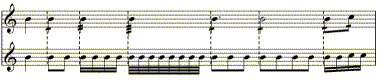
| tremolo: one of a number of abbreviations used in musical notation, in this case for repeated notes, which can be marked as individuals or marked as chords (note the angled line or lines, also called slashes, passing through the note stems) sometimes a horizontal array of dots may be placed over the note (instead or or additional to the slashes confirming the number of notes to be played through the duration of each 'slashed' note) Note: in drum or timpani parts, notes with their stems crossed diagonally by two or, more commonly three, lines usually indicate a roll | |||||||||||||||||||||||||||||||||||||||||||||||||||||||||||||||||||||||||||||||||||||||||||||
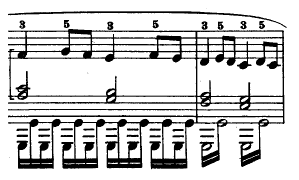
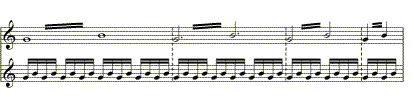 | tremolo or alternations: repeated sequence of two notes a particular interval apart (note the angled line or lines lying between pairs of notes) do not confuse with the caesura the lines of which pass through the top line of the staff and are steeper Note: where the two principal notes have stems, and there is no likelihood of confusion, the beams may actually connect to them: see bar 2, bass staff, in the example below | |||||||||||||||||||||||||||||||||||||||||||||||||||||||||||||||||||||||||||||||||||||||||||||
 | simile marks, used to show repeated groups or bars (see immediately below for more information) | |||||||||||||||||||||||||||||||||||||||||||||||||||||||||||||||||||||||||||||||||||||||||||||
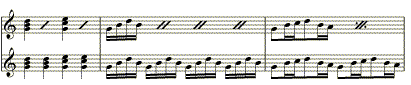 | repeated passage using simile marks do not confuse with the caesura the lines of which pass through the top line of the staff | |||||||||||||||||||||||||||||||||||||||||||||||||||||||||||||||||||||||||||||||||||||||||||||
 | repeated bars using simile marks | |||||||||||||||||||||||||||||||||||||||||||||||||||||||||||||||||||||||||||||||||||||||||||||
| D.C. | (Italian: from the beginning) an abbreviation of da capo, indicating that the player should start from or go back to the beginning of the piece of music | |||||||||||||||||||||||||||||||||||||||||||||||||||||||||||||||||||||||||||||||||||||||||||||
 | the sign or segno (Italian: sign) | |||||||||||||||||||||||||||||||||||||||||||||||||||||||||||||||||||||||||||||||||||||||||||||
| D.S. | (Italian: from the sign) an abbreviation of dal segno, term indicating a place from which a section of a piece is to be played, that place marked with a segno | |||||||||||||||||||||||||||||||||||||||||||||||||||||||||||||||||||||||||||||||||||||||||||||
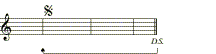 | dal segno, D.S. (abbrev.): (Italian) from the sign | |||||||||||||||||||||||||||||||||||||||||||||||||||||||||||||||||||||||||||||||||||||||||||||
| D.C. al Fine | (Italian: from the beginning to the end) an abbreviation of da capo al fine, indicating that the player should go back to the beginning and then end at the fine mark | |||||||||||||||||||||||||||||||||||||||||||||||||||||||||||||||||||||||||||||||||||||||||||||
| Fine | (Italian: the end) a term placed where a piece or a section of a piece of music is to end | |||||||||||||||||||||||||||||||||||||||||||||||||||||||||||||||||||||||||||||||||||||||||||||
 | used with an instruction such as al Coda or 'to coda', this sign marks the beginning of coda itself: a circle or oval with a cross inside it (corrected by Kim Krenzer) | |||||||||||||||||||||||||||||||||||||||||||||||||||||||||||||||||||||||||||||||||||||||||||||
 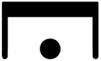  | fermata (It.), Fermate (Ger.): a musical symbol placed over a note or rest to be extended beyond its normal duration, and occasionally printed above rests or barlines, indicating a pause of indefinite duration. The word lunga (Shortened form of the Italian lunga pausa, meaning "long pause") is sometimes added above a fermata to indicate a longer duration. Some modern composers (including Francis Poulenc, Krzysztof Penderecki, and Luigi Nono) have expanded the symbol's usage to indicate approximate duration, incorporating fermatas of different sizes, square- and triangle-shaped fermatas, and so on, to indicate holds of different lengths. (see http://en.wikipedia.org/wiki/Fermata) | |||||||||||||||||||||||||||||||||||||||||||||||||||||||||||||||||||||||||||||||||||||||||||||
 | caesura (sing.), caesurae (pl.), fetura, 'tramlines', or 'railroad tracks: usually placed on or above the top line of a staff or stave (not to be confused with the 'simile' mark). A term derived from poetry, caesura is a silent pause somewhere in the middle of a piece of music | |||||||||||||||||||||||||||||||||||||||||||||||||||||||||||||||||||||||||||||||||||||||||||||
 | crescendo: (Italian, literally 'growing') increasingly louder | |||||||||||||||||||||||||||||||||||||||||||||||||||||||||||||||||||||||||||||||||||||||||||||
 | crescendo from silence: starting from silence, the note should become increasingly louder [information provided by Adam Glynn] | |||||||||||||||||||||||||||||||||||||||||||||||||||||||||||||||||||||||||||||||||||||||||||||
 | decrescendo, decresciuto, diminuendo: (Italian) increasingly softer | |||||||||||||||||||||||||||||||||||||||||||||||||||||||||||||||||||||||||||||||||||||||||||||
 | swell, closed hairpins (over a phrase) or closed accent (over a single note): to increase volume and then die away in the duration of a single note or short phrase also called messa di voce (Italian) or mise de voix (French) | |||||||||||||||||||||||||||||||||||||||||||||||||||||||||||||||||||||||||||||||||||||||||||||
| in Rossini, the typical markings of the 'closed accent' and the 'closed hairpins' appear frequently but they were also commonly used by his contemporaries. They signify, in the case of the 'closed accent', a more marked and longer accent than the norm; in the case of the 'closed crescendo', a crescendo that ends abruptly in a sforzato emphasis; in the case of the 'closed diminuendo', a sforzato that immediately trails off into a diminuendo | ||||||||||||||||||||||||||||||||||||||||||||||||||||||||||||||||||||||||||||||||||||||||||||||
| in nineteenth-century German non-vocal music the < > sign can represent a stress or accent as opposed to a crescendo followed by a decrescendo music. In such a case, the marking apparently indicates a kind of "warm", not too powerful, accent with implication of vibrato where appropriate [suggested by Ron Evans] | ||||||||||||||||||||||||||||||||||||||||||||||||||||||||||||||||||||||||||||||||||||||||||||||
|
||||||||||||||||||||||||||||||||||||||||||||||||||||||||||||||||||||||||||||||||||||||||||||||
 | a double accidental that completely cancels the effect of a double sharp or double flat sign | |||||||||||||||||||||||||||||||||||||||||||||||||||||||||||||||||||||||||||||||||||||||||||||
 | a double accidental that restores a double flatted note to a single flatted note (and sometimes to change a sharp to a flat) | |||||||||||||||||||||||||||||||||||||||||||||||||||||||||||||||||||||||||||||||||||||||||||||
 | a double accidental that restores a double sharped note to a single sharped note (and sometimes to change a flat to a sharp) | |||||||||||||||||||||||||||||||||||||||||||||||||||||||||||||||||||||||||||||||||||||||||||||
 | microtonal 'flat up' sign | |||||||||||||||||||||||||||||||||||||||||||||||||||||||||||||||||||||||||||||||||||||||||||||
 | microtonal 'flat down' sign | |||||||||||||||||||||||||||||||||||||||||||||||||||||||||||||||||||||||||||||||||||||||||||||
 | microtonal 'natural up' sign | |||||||||||||||||||||||||||||||||||||||||||||||||||||||||||||||||||||||||||||||||||||||||||||
 | microtonal 'natural down' sign | |||||||||||||||||||||||||||||||||||||||||||||||||||||||||||||||||||||||||||||||||||||||||||||
 | microtonal 'sharp up' sign | |||||||||||||||||||||||||||||||||||||||||||||||||||||||||||||||||||||||||||||||||||||||||||||
 | microtonal 'sharp down' sign | |||||||||||||||||||||||||||||||||||||||||||||||||||||||||||||||||||||||||||||||||||||||||||||
| ||||||||||||||||||||||||||||||||||||||||||||||||||||||||||||||||||||||||||||||||||||||||||||||
 | quarter tone sharp sign, a sign to show that a note should be raised one quarter tone in pitch | |||||||||||||||||||||||||||||||||||||||||||||||||||||||||||||||||||||||||||||||||||||||||||||
 | quarter tone flat sign, a sign to show that a note should be lowered one quarter tone in pitch | |||||||||||||||||||||||||||||||||||||||||||||||||||||||||||||||||||||||||||||||||||||||||||||
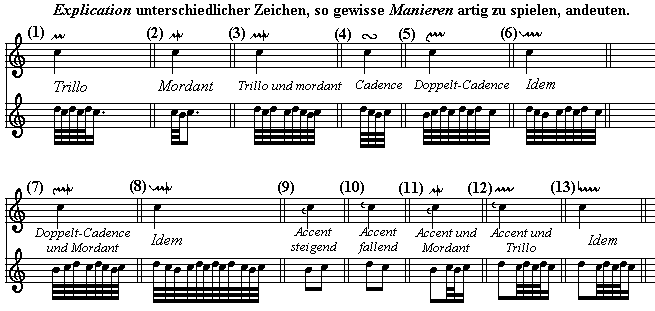 | Bach's own table of ornaments. The use of ornament symbols was never standardised. Please refer to Chapter 23 - Music Theory Online for more information on the use of and notation of 18th-century ornaments | |||||||||||||||||||||||||||||||||||||||||||||||||||||||||||||||||||||||||||||||||||||||||||||
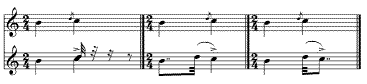 | acciaccatura: (Italian) 'crushed' note, grace note (written with a diagonal line through the note stem) | |||||||||||||||||||||||||||||||||||||||||||||||||||||||||||||||||||||||||||||||||||||||||||||
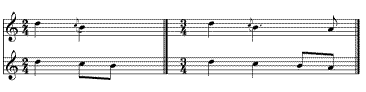 | appoggiatura: (Italian) 'leaning' note, ornamental note (written without a diagonal line through the note stem) | |||||||||||||||||||||||||||||||||||||||||||||||||||||||||||||||||||||||||||||||||||||||||||||
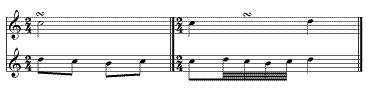 | turn: musical ornament | |||||||||||||||||||||||||||||||||||||||||||||||||||||||||||||||||||||||||||||||||||||||||||||
| = | a symbol found above note heads in The Bird Fancyer's Delight which is explained in the original publication thus: "The marks & rules for graceing are these Viz. a close shake thus =" | |||||||||||||||||||||||||||||||||||||||||||||||||||||||||||||||||||||||||||||||||||||||||||||
 | the turn-with-a-line-through-it is a mystery ornament that occurs in Haydn's piano music. He once called it a 'half mordent' but did not explain the way it was to be played. Adding to the confusion is the fact that he was inconsistent in using it so that in parallel places he sometimes substitutes the normal turn as a symbol or written out. Pianists now play it as a normal turn or as a mordent since it is often indistinguishable from a mordent in his manuscript. You can read about this strange ornament in the preface of the Weiner Urtext Edition of Haydn's Piano Sonatas | |||||||||||||||||||||||||||||||||||||||||||||||||||||||||||||||||||||||||||||||||||||||||||||
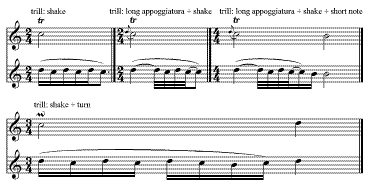 | trill: musical ornament | |||||||||||||||||||||||||||||||||||||||||||||||||||||||||||||||||||||||||||||||||||||||||||||
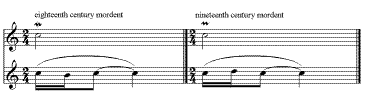 | mordent: musical ornament | |||||||||||||||||||||||||||||||||||||||||||||||||||||||||||||||||||||||||||||||||||||||||||||
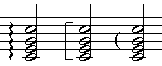 | arpège (Fr.), arpeggio (It.), arpeggi (It. plural): (Italian, meaning 'in the manner of a harp') a spread chord played from the top down or from the bottom up indicated by a vertical wavy line, a vertical square bracket or a curved bracket (the latter two signs are now uncommon) | |||||||||||||||||||||||||||||||||||||||||||||||||||||||||||||||||||||||||||||||||||||||||||||
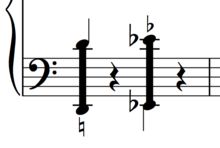 | note cluster / tone cluster: tone clusters tend to be heard as dissonant. Clusters may be performed with almost any individual instrument on which three or more notes can be played simultaneously, as well as by most groups of instruments or voices. Keyboard instruments are particularly suited to the performance of tone clusters because it is relatively easy to play multiple notes in unison on them. The notation shown here indicates a cluster formed of a grouping of notes between the top and lower note played simultaneously. The thick line notation may sometimes show the line to the left of two notes. | |||||||||||||||||||||||||||||||||||||||||||||||||||||||||||||||||||||||||||||||||||||||||||||
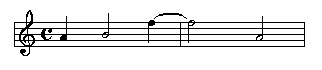 | tie: also called a 'bind', a sign that indicates that the note being played or sung sustained, unbroken, through the total time value of the notes under the tie | |||||||||||||||||||||||||||||||||||||||||||||||||||||||||||||||||||||||||||||||||||||||||||||
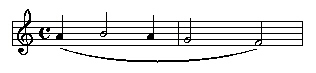 | slur: a mark used to show where a group of notes are played either under a single bow stroke, or on a wind instrument without retonguing or when singing, in one breath, so that the notes move smoothly one to the other with no perceptible break | |||||||||||||||||||||||||||||||||||||||||||||||||||||||||||||||||||||||||||||||||||||||||||||
| "in keyboard playing, and, to a large extent, in wind playing the use of a slur usually seems to have meant simply that the notes should be less distinctly separated (though in wind playing there may also have been implications for breathing). In string playing the slur is specifically a bowing instruction, but the end effect is much the same. Where (accent markings) appear over successive notes under a slur, however, their function is as much articulation as accent..." Brown [we thank Ron Evans for bringing the reference Signs as Accent Markings to our attention. We have drawn our information from that reference] | ||||||||||||||||||||||||||||||||||||||||||||||||||||||||||||||||||||||||||||||||||||||||||||||
| sometimes an extended slur mark may have less extended slur marks within its scope. In such a situation the less extended mark is a slur while the more extended is called a 'phrase mark' or 'phrasing'. A phrase mark indicates the 'shape' of the musical line , not that all the notes below it should be slurred. Sometimes, the context of the marking may be the only way to tell these two marks apart | ||||||||||||||||||||||||||||||||||||||||||||||||||||||||||||||||||||||||||||||||||||||||||||||
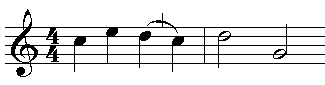 | optional slur: the performer is free to choose whether to observe the slur mark or not | |||||||||||||||||||||||||||||||||||||||||||||||||||||||||||||||||||||||||||||||||||||||||||||
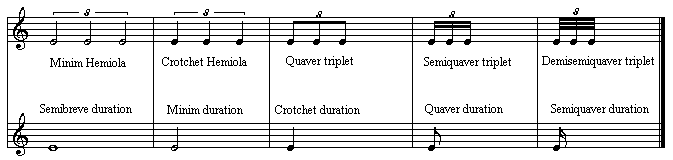 | hemiola, triplet: a group of three notes of equal time value performed in the time of two of them, however, (i) one or two of the notes may be rests of equivalent value, and (ii) a consecutive pair may be replaced by a note of double value | |||||||||||||||||||||||||||||||||||||||||||||||||||||||||||||||||||||||||||||||||||||||||||||
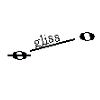 | glissando, portamento: (Italian) a continuous movement in pitch from the lower to the higher note | |||||||||||||||||||||||||||||||||||||||||||||||||||||||||||||||||||||||||||||||||||||||||||||
 | left hand sign shows a rising glissando - the right hand sign shows a falling glissando | |||||||||||||||||||||||||||||||||||||||||||||||||||||||||||||||||||||||||||||||||||||||||||||
 | placed over or under a note-head, accent in a part for a drummer, indicates a medium stroke | |||||||||||||||||||||||||||||||||||||||||||||||||||||||||||||||||||||||||||||||||||||||||||||
| also called the accent hairpin ( > ), together with the staccato, it was one of the earliest musical signs to be used, Italian composers G.A. Piani and F. Veracini having proposed something like this several decades before it first appeared in the 1760s. Even so, few composers used it until the late-eighteenth and early-nineteenth centuries but then as synonyms for sf or fz or to indicate something more subtle [we thank Ron Evans for bringing the reference Signs as Accent Markings to our attention. We have drawn our information from that reference] | ||||||||||||||||||||||||||||||||||||||||||||||||||||||||||||||||||||||||||||||||||||||||||||||
 | placed over or under a note-head, staccato: (Italian) note sustained for half the written length, the remaining half silent | |||||||||||||||||||||||||||||||||||||||||||||||||||||||||||||||||||||||||||||||||||||||||||||
| the staccato mark was the first sign to come into common use, usually appearing as a stroke, dot or wedge. Initially it would appear that the sign was intended to indicated accent as well as separation, but by the late nineteenth-century the mark was used to show a lightening as well as separation [we thank Ron Evans for bringing the reference Signs as Accent Markings to our attention. We have drawn our information from that reference] | ||||||||||||||||||||||||||||||||||||||||||||||||||||||||||||||||||||||||||||||||||||||||||||||
| placed after a note, a dot indicates that the note is to be held longer - for details see 'dot' in the music dictionary | |||||||||||||||||||||||||||||||||||||||||||||||||||||||||||||||||||||||||||||||||||||||||||||
 | placed over or under the note-head, staccatissimo: (Italian) note sustained for quarter the written length, the remaining three-quarters silent - also called a 'wedge' | |||||||||||||||||||||||||||||||||||||||||||||||||||||||||||||||||||||||||||||||||||||||||||||
 | placed above or below the note-head, marcato: (Italian) marking, marked, accented in a part for a drummer, marcato denotes a heavy stroke | |||||||||||||||||||||||||||||||||||||||||||||||||||||||||||||||||||||||||||||||||||||||||||||
 | placed above or below the note-head, marcato/staccato or staccato duro: (Italian) more forceful marking, more forcefully accented | |||||||||||||||||||||||||||||||||||||||||||||||||||||||||||||||||||||||||||||||||||||||||||||
 | placed above or below the note-head, accented staccato | |||||||||||||||||||||||||||||||||||||||||||||||||||||||||||||||||||||||||||||||||||||||||||||
 | the caret, when used as an accent or stress mark, also called le petit chapeau. In the eighteenth-century this mark was used to denote expressive stress and for such purpose the sign continued to be used into the nineteenth-century. There is good evidence that in terms of its strength le petit chapeau lies between the light + and the heavier sf and sfz. By the middle of the nineteenth-century le petit chapeau was used synonymously with > or even to indicate a somewhat heavier stress than > [we thank Ron Evans for bringing the reference Signs as Accent Markings to our attention. We have drawn our information from that reference] | |||||||||||||||||||||||||||||||||||||||||||||||||||||||||||||||||||||||||||||||||||||||||||||
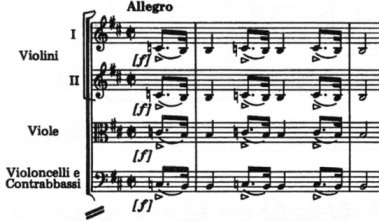 | small triangle lying above or below the note-head, stongly accented then immediate diminuendo [Rossini example (Overture to Il Signor Bruschino) supplied by David Bellugi] | |||||||||||||||||||||||||||||||||||||||||||||||||||||||||||||||||||||||||||||||||||||||||||||
 | placed above or below the note-head, tenuto: (Italian) note held to its written length, i.e. not detached in a part for a drummer, the tenuto indicates a light stroke | |||||||||||||||||||||||||||||||||||||||||||||||||||||||||||||||||||||||||||||||||||||||||||||
| the horizontal line ( ) sign, with or without a dot above or below the line, was rarely used before the mid-nineteenth-century although some earlier instruction books refer to its use. Without a dot, the horizontal line mark in piano music indicates that the "... keys must be struck with more than the usual emphasis, and the notes must be held for almost more than their usual value" (Czerny). Most nineteenth-century commentators follow this definition, with Wagner suggesting, where applicable, the use of a discrete vibrato [we thank Ron Evans for bringing the reference Signs as Accent Markings to our attention. We have drawn our information from that reference] | ||||||||||||||||||||||||||||||||||||||||||||||||||||||||||||||||||||||||||||||||||||||||||||||
 | placed above or below the note-head, louré: in string playing the bow motion is legato, but with slight separation of the notes. It is performed with several notes in one bow direction, each note receiving a gentle push to separate it | |||||||||||||||||||||||||||||||||||||||||||||||||||||||||||||||||||||||||||||||||||||||||||||
 | placed above or below the note head, martellato: (Italian) strongly marked, hammered | |||||||||||||||||||||||||||||||||||||||||||||||||||||||||||||||||||||||||||||||||||||||||||||
 | on a bowed instrument: down-bow, as when the bow, held below the hand, is pulled across the string on a member of the violin family, or conversely, as when the bow, held above the hand, is pushed across the string on a member of the viol family; the reverse manoeuvre is called the 'up-bow' on the guitar: down-stroke, the string is plucked with the hand moving downwards | |||||||||||||||||||||||||||||||||||||||||||||||||||||||||||||||||||||||||||||||||||||||||||||
 | on a bowed instrument: up-bow, as when the bow, held below the hand, is pushed across the string on a member of the violin family, or conversely, as when the bow, held above the hand, is pulled across the string on a member of the viol family; the reverse manoeuvre is called 'down-bow' on the guitar: up-stroke, the string is plucked with the hand moving upwards | |||||||||||||||||||||||||||||||||||||||||||||||||||||||||||||||||||||||||||||||||||||||||||||
 | in string parts: written over or under the note-head, meaning: play a natural harmonic | |||||||||||||||||||||||||||||||||||||||||||||||||||||||||||||||||||||||||||||||||||||||||||||
| referring to percussion notation the Percussion Information Homepage - Problems page author writes: "one very annoying side effect of different setups, is the fact the most method books that indicate which hand to use for a certain passage, are difficult to use for players who are learning the other way! So, my advice to publishers and writers: Never indicate hands. And if you have to, use symbols like an open and closed small circle or square above the notes. In that way we just have to change the definition of the symbols and explain that to the student. But it is very unnatural to have to play a note with your L-hand when there is a big R above or below it. Especially when these very letters mean the same hands in another language!" | ||||||||||||||||||||||||||||||||||||||||||||||||||||||||||||||||||||||||||||||||||||||||||||||
 | in string parts: written over or under the note-head, meaning: play a natural harmonic. Note: the position of the diamond-shaped notehead indicates where the finger in placed, and not the sounding note. If the sounding note is also given it would be placed above the diamond-shaped notehead, in cue size and in parentheses. See also 'artificial harmonics' | |||||||||||||||||||||||||||||||||||||||||||||||||||||||||||||||||||||||||||||||||||||||||||||
 | for string parts: snap pizzicato | |||||||||||||||||||||||||||||||||||||||||||||||||||||||||||||||||||||||||||||||||||||||||||||
 | for string parts: use the mute | |||||||||||||||||||||||||||||||||||||||||||||||||||||||||||||||||||||||||||||||||||||||||||||
 | for string parts: written under a note to indicate the string to be used (in this case string number 2) | |||||||||||||||||||||||||||||||||||||||||||||||||||||||||||||||||||||||||||||||||||||||||||||
| + | in string parts: written in combination with pizz. over or under the note-head, meaning: play a left hand pizzicato | |||||||||||||||||||||||||||||||||||||||||||||||||||||||||||||||||||||||||||||||||||||||||||||
| applied to chord names or numbers: A, Aug. or +: an augmented interval | ||||||||||||||||||||||||||||||||||||||||||||||||||||||||||||||||||||||||||||||||||||||||||||||
| in percussion parts: a dead stroke, achieved by holding the mallet on the instrument after the attack to dampen the vibration. Dead strokes are commonly notated with a plus sign (+) over the note. Ringing notes in a passage with dead strokes can be indicated with a circle (o) over them; this is not necessary but can help to clarify. D.S. or staccato dots are other common indications for dead stroke. These notations are not standard and should be explained at the top of the score and part | ||||||||||||||||||||||||||||||||||||||||||||||||||||||||||||||||||||||||||||||||||||||||||||||
| in early music, particularly that for wind-instruments: the 'plus' sign indicates a musical ornament, usually a trill | ||||||||||||||||||||||||||||||||||||||||||||||||||||||||||||||||||||||||||||||||||||||||||||||
| in French horn parts: a '+' above notes to be stopped, followed by a 'o' above notes that are open | ||||||||||||||||||||||||||||||||||||||||||||||||||||||||||||||||||||||||||||||||||||||||||||||
| ||||||||||||||||||||||||||||||||||||||||||||||||||||||||||||||||||||||||||||||||||||||||||||||
| o | applied to chord names or numbers: d, dim. or o: a diminished interval | |||||||||||||||||||||||||||||||||||||||||||||||||||||||||||||||||||||||||||||||||||||||||||||
 | applied to chord names or numbers: a half-diminished interval | |||||||||||||||||||||||||||||||||||||||||||||||||||||||||||||||||||||||||||||||||||||||||||||
| Δ | applied to chord names or numbers: indicates a triad, for example the notes G, B, D. GΔ7 means a G major 7th chord. While Δ is usually not needed with the triad chord, with the 7th chord it indicates that the complete triad should be included in the 7th chord | |||||||||||||||||||||||||||||||||||||||||||||||||||||||||||||||||||||||||||||||||||||||||||||
| - | applied to chord names or numbers: indicates a minor triad, for example the notes C, Eb, G. C-7 means a C minor 7th chord | |||||||||||||||||||||||||||||||||||||||||||||||||||||||||||||||||||||||||||||||||||||||||||||
 | for wind parts: double tongue | |||||||||||||||||||||||||||||||||||||||||||||||||||||||||||||||||||||||||||||||||||||||||||||
 | for wind parts: triple tongue | |||||||||||||||||||||||||||||||||||||||||||||||||||||||||||||||||||||||||||||||||||||||||||||
 | flutter tonguing, flatterzunge (German), trémolo dental (French), trémolo en roulant la langue (French): extremely rapid, tongued-articulation on a wind instrument | |||||||||||||||||||||||||||||||||||||||||||||||||||||||||||||||||||||||||||||||||||||||||||||
 | use the fingernails | |||||||||||||||||||||||||||||||||||||||||||||||||||||||||||||||||||||||||||||||||||||||||||||
 | damp | |||||||||||||||||||||||||||||||||||||||||||||||||||||||||||||||||||||||||||||||||||||||||||||
 | damp all | |||||||||||||||||||||||||||||||||||||||||||||||||||||||||||||||||||||||||||||||||||||||||||||
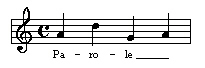 | extension: a horizontal line placed immediately to the right of a lyric syllable, to show that a syllable must be held during the following note or notes | |||||||||||||||||||||||||||||||||||||||||||||||||||||||||||||||||||||||||||||||||||||||||||||
 | breath mark: a mark placed above the stave where the composer requests that the performer break the musical line and breathe, so producing the desired phrase shape | |||||||||||||||||||||||||||||||||||||||||||||||||||||||||||||||||||||||||||||||||||||||||||||
 | metronome mark: an indication of the speed at which a piece is to be played, in this case 60 crotchet (quarter notes) per minute | |||||||||||||||||||||||||||||||||||||||||||||||||||||||||||||||||||||||||||||||||||||||||||||
 | the historical convention: the duration of the note symbol on the left (as applied in the section to follow) is the same as the duration of the note symbol on the right (as applied in the section just finished) i.e. new time value = old time value However, today it is more common to read this the other way round, Fortunately, context tends to make clear which convention the editor, arranger or composer is following | |||||||||||||||||||||||||||||||||||||||||||||||||||||||||||||||||||||||||||||||||||||||||||||
 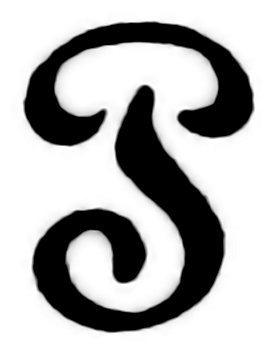 | sustain pedal on or engage (sustain) pedal: two versions of the symbol indicating when the sustaining pedal is to be depressed [lower symbol supplied by Mark Crosby] Joseph Banowetz, in his book The Pianist's Guide to Pedaling, writes that these symbols were in use from the late eighteenth century to the early twentieth | |||||||||||||||||||||||||||||||||||||||||||||||||||||||||||||||||||||||||||||||||||||||||||||
 | sustain pedal off or release (sustain pedal): a symbol indicating when the sustaining pedal is to be released Joseph Banowetz, in his book The Pianist's Guide to Pedaling, writes that this symbol was in use from the late eighteenth century to the early twentieth | |||||||||||||||||||||||||||||||||||||||||||||||||||||||||||||||||||||||||||||||||||||||||||||
 | half pedal mark, also called variable pedal mark | |||||||||||||||||||||||||||||||||||||||||||||||||||||||||||||||||||||||||||||||||||||||||||||
| "The use of half pedal and flutter pedal is very effective in creating a variety of tonal colours. The pedal remember is a colouring device, it is not a sustaining device. People learn it as a sustain device and most teachers do not teach that it is used to give shades and colours to your tonal palette. Just like an artist has a variety of shades of reds, blues and yellows, a pianist can use the pedal to create these tones. Now this only works on an acoustic piano, not a digital keyboard because the digital instrument even if it is slightly depressed tells the computer to "sustain notes". Half and flutter pedal can only be done on a real instrument. By lifting up the dampers a touch part of the string vibrates, or possibly 2 out of the 3 strings in the upper register and 1 out of 2 strings vibrate and sustains in the middle. This type of pedaling is very effective for all music! I tend to flutter pedal a lot in scale and running passages. I would never hold the pedal down because the sound would blur, but using half pedal catches some tones and allows for a touch of harmonic colour while maintaining clarity in the passage work."
[Source provided by Charles Whiman: answers.yahoo.com] | ||||||||||||||||||||||||||||||||||||||||||||||||||||||||||||||||||||||||||||||||||||||||||||||
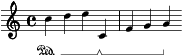 | sustain pedal on and sustain pedal off marking: the pedal is depressed at the Ped. mark and kept pressed down until the right hand vertical line, unless a half pedal or variable pedal mark (an inverted V) appears between the two vertical lines | |||||||||||||||||||||||||||||||||||||||||||||||||||||||||||||||||||||||||||||||||||||||||||||
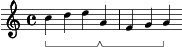 | sustain pedal on and sustain pedal off marking: the pedal is depressed at the left vertical line and kept pressed down until the right hand vertical line, unless a half pedal or variable pedal mark (an inverted V) appears between the two vertical lines | |||||||||||||||||||||||||||||||||||||||||||||||||||||||||||||||||||||||||||||||||||||||||||||
 | releases of pedal with time between release and depression (reading from left: depress - hold down - release - time without pedal - depress - hold down - release - time without pedal - depress - hold down - release) | |||||||||||||||||||||||||||||||||||||||||||||||||||||||||||||||||||||||||||||||||||||||||||||
 | slow release of pedal over a period of time shown by the sloping line (reading from left: depress - hold down - slow release) | |||||||||||||||||||||||||||||||||||||||||||||||||||||||||||||||||||||||||||||||||||||||||||||
 | flutter pedal, a constant up and down motion between two parts of the damper pedal mechanism such as quarter to half depth | |||||||||||||||||||||||||||||||||||||||||||||||||||||||||||||||||||||||||||||||||||||||||||||
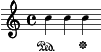 | sustain pedal on and sustain pedal off marking | |||||||||||||||||||||||||||||||||||||||||||||||||||||||||||||||||||||||||||||||||||||||||||||
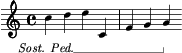 | a direction to use the sostentuo pedal (the middle pedal on a piano) which acts as a selective damper pedal by sustaining specifically chosen notes: the pedal is depressed where the text instruction is placed and held until the right hand vertical line | |||||||||||||||||||||||||||||||||||||||||||||||||||||||||||||||||||||||||||||||||||||||||||||
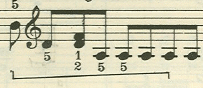 | sustain pedal marking from a 1945 edition of 'The Raindrop' Prelude by Chopin. Composed between 1836 and 1839, published in 1839 and dedicated to Camille Pleyel, its nickname Raindrop was provided by Hans von Bulow. [image provided by Matthew B. Woodward] | |||||||||||||||||||||||||||||||||||||||||||||||||||||||||||||||||||||||||||||||||||||||||||||
| part played on an organ pedal-board - use the toe (to indicate that the right foot should be used, symbols are written above the staff; to indicate that the left foot should be used, symbols are written below the staff) | |||||||||||||||||||||||||||||||||||||||||||||||||||||||||||||||||||||||||||||||||||||||||||||
 | part played on an organ-pedal-board - use the heel (to indicate that the right foot should be used, symbols are written above the staff; to indicate that the left foot should be used, symbols are written below the staff) | |||||||||||||||||||||||||||||||||||||||||||||||||||||||||||||||||||||||||||||||||||||||||||||
 | part played on an organ pedal-board - indicate a change of toe and heel, the 2 symbols are placed next to each other, with a slur above or below them (to indicate that the right foot should be used, symbols are written above the staff; to indicate that the left foot should be used, symbols are written below the staff) | |||||||||||||||||||||||||||||||||||||||||||||||||||||||||||||||||||||||||||||||||||||||||||||
 | part played on an organ-pedal-board - indicate a change of foot, the 2 symbols are placed above and below the notes | |||||||||||||||||||||||||||||||||||||||||||||||||||||||||||||||||||||||||||||||||||||||||||||
| © | symbol that means 'copyright' (not strictly a musical symbol, but frequently found on a musical score) | |||||||||||||||||||||||||||||||||||||||||||||||||||||||||||||||||||||||||||||||||||||||||||||
| § | symbol called guida (Italian) or presa (Italian) employed to show in a canon or fugue the entry points of other parts, the start of the subject or antecedent, and so on | |||||||||||||||||||||||||||||||||||||||||||||||||||||||||||||||||||||||||||||||||||||||||||||
 | symbol called custos (Latin), Wachte (German), guida (Italian), guidon (French) or 'direct', placed at the end of a line to indicate the pitch of the first note on the next line | |||||||||||||||||||||||||||||||||||||||||||||||||||||||||||||||||||||||||||||||||||||||||||||
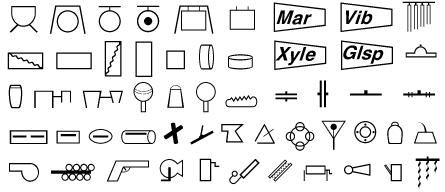 | a variety of symbols used to indicate which instrument a percussionist should be playing (most are self-explanatory) | |||||||||||||||||||||||||||||||||||||||||||||||||||||||||||||||||||||||||||||||||||||||||||||
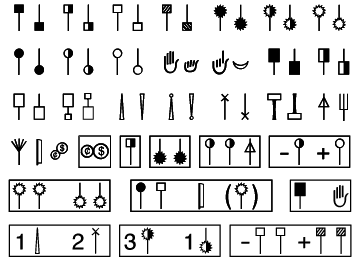 | a variety of symbols used to indicate when to use a particular mallet or the hands when playing any particular percussion instrument (most are self-explanatory) | |||||||||||||||||||||||||||||||||||||||||||||||||||||||||||||||||||||||||||||||||||||||||||||