Dolmetsch Recorder Navigator
- Complete Recorder Brochure and Price List - our prices from 30 April 2010 - read and print
- Recorder Fingerings - read and print
- Complete Recorder Care - read and print
- Recorder Accessories
- Recorder Servicing
- Recorder Spares
- Make Your Own Recorder Stand
- Sending Recorders To Us By Post
- When was my Dolmetsch recorder made? - Dolmetsch Recorder Marks and Serial Numbers
All our recorders are based on baroque recorder designs
- the bores are conical; widest in the head, narrowest at the foot- or bell-section end
- the tone holes are usually small and where necessary undercut
- the exterior designs are derived from surviving original recorders, except for instruments from the Millennium series
- all our instruments have a two octave plus range
Using the chart delow, you can go from this navigator page to information on any model of Dolmetsch recorder
- M (a'=440Hz, standard or modern pitch) or M / L (where L refers to a'=415Hz which is baroque or low pitch) are links for information about prices
- Series Name is the link for information about any particular model
| Series Name | Nova | School | Academy | Conservatoire | Stanesby | Bressan | Gold | Millennium | ||||||
| Type | Plastic/Resin | Mid-Priced | Handmade | One-Handed | Handmade | |||||||||
| Bore Shape | Round | Round | Round | Round | Square | |||||||||
| Size | Key | ABS | Wood | Wood | Wood | Wood | ||||||||
| Sopranino | F | M | M / L | |||||||||||
| Soprano/Descant | D | M / L | ||||||||||||
| Soprano/Descant | C | M | M | M | M | M / L | M / L | M | ||||||
| Soprano/Descant | Bb | M / L | ||||||||||||
| Alto/Treble | G | M / L | ||||||||||||
| Alto/Treble | F | M | M | M | M | M / L | M / L | M | ||||||
| Alto/Treble | Eb | M / L | ||||||||||||
| Tenor | D | M / L | ||||||||||||
| Tenor no key | C | M | M | M | M / L | |||||||||
| Tenor C/C# key | C | M | M | M | M | M / L | ||||||||
| Bass | F | M | M / L | |||||||||||
| Great Bass | C | M / L | ||||||||||||
| Contra Bass | F | M / L | ||||||||||||
| Sub Contra Bass | C | M / L | ||||||||||||
| Sub Sub Contra Bass | F | M / L | ||||||||||||
How a Recorder in Made
This video is taken from a Discovery Channel programme which was made in a North American recorder workshop.
Woods Used To Make Dolmetsch Recorders
 | Boxwood/Buis |
 | Coralwood |
 | Grenadilla |
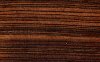 | Kingwood |
 | Maple/Sycamore |
 | Pearwood |
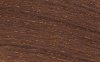 | Rosewood |
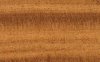 | Satinwood |
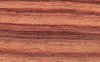 | Tulipwood |
 | Eastern Red Cedar |
Wood Allergy Information
Please refer to this excellent resource:
The Botanical Dermatology Database
Tone Hole Spacing On Dolmetsch Recorders
Descant/Soprano Recorders
Dimensions are given in millimetres/inches. Measurements are made to and from tone hole centres. For double holes, the 'centre' lies between the top of the higher and bottom of lower hole.
| Model | Beak-Thumb | Beak-Hole 1 | Hole 1-2 | Hole 2-3 | Hole 3-4 | Hole 4-5 | Hole 5-6 | Hole 6-7 |
| Nova N601 | 140/5.51 | 145/5.71 | 22/0.87 | 22/0.87 | 23/0.91 | 24/0.94 | 21/0.83 | 23/0.91 |
| School 3120/3121 Academy 6120/22/24 | 128/5.04 | 135/5.31 | 21/0.83 | 21/0.83 | 24/0.94 | 24/0.94 | 21/0.83 | 25/0.98 |
| Conservatoire 8120/22/24/26 | 136/5.35 | 141/5.55 | 21/0.83 | 21/0.83 | 23/0.91 | 23/0.91 | 19/0.75 | 22/0.87 |
| Stanesby | 139/5.47 | 145/5.71 | 22/0.87 | 21/0.83 | 22/0.87 | 20/0.79 | 17/0.67 | 21/0.83 |
| Stanesby Low Pitch | 143/5.63 | 153/6.02 | 23/0.91 | 22/0.87 | 24/0.94 | 21/0.83 | 18/0.71 | 23/0.91 |
| Bressan | 137/5.39 | 144/5.67 | 22/0.87 | 21/0.83 | 22/0.87 | 20/0.79 | 17/0.67 | 22/0.87 |
| Bressan Low Pitch |
Treble/Alto Recorders
Dimensions are given in millimetres/inches. Measurements are made to and from tone hole centres. For double holes, the 'centre' lies between the top of the higher and bottom of lower hole.
| Model | Beak-Thumb | Beak-Hole 1 | Hole 1-2 | Hole 2-3 | Hole 3-4 | Hole 4-5 | Hole 5-6 | Hole 6-7 |
| Nova N151 | 203/7.99 | 210/8.27 | 34/1.34 | 33/1.30 | 38/1.50 | 31/1.22 | 20/0.79 | 29/1.14 |
| School 3130/3131 Academy 6130/32/34 | 189/7.44 | 193/7.60 | 33/1.30 | 33/1.30 | 34/1.34 | 35/1.38 | 24/0.94 | 30/1.18 |
| Conservatoire 8130/32/34/36 | 195/7.68 | 200/7.87 | 34/1.34 | 33/1.30 | 35/1.38 | 35/1.38 | 22/0.87 | 29/1.14 |
| Stanesby | 205/8.07 | 212/8.35 | 35/1.38 | 29/1.14 | 34/1.34 | 35/1.38 | 25/0.98 | 29/1.14 |
| Stanesby Low Pitch | 211/8.31 | 224/8.82 | 34/1.34 | 33/1.30 | 34/1.34 | 33/1.30 | 28/1.10 | 31/1.22 |
| Bressan | 198/7.80 | 212/8.35 | 27/1.06 | 32/1.26 | 37/1.46 | 29/1.14 | 28/1.10 | 26/1.02 |
| Bressan Low Pitch |
The addition of F/F sharp keys will shorten the hole 6-7 distance. Body keys can be fitted to shorten the 2-3 and 4-5 distances.
Tenor Recorders
Dimensions are given in millimetres/inches. Measurements are made to and from tone hole centres. For double holes, the 'centre' lies between the top of the higher and bottom of lower hole.
| Model | Beak-Thumb | Beak-Hole 1 | Hole 1-2 | Hole 2-3 | Hole 3-4 | Hole 4-5 | Hole 5-6 | Hole 6-7 |
| Nova N301 | 257/10.12 | 273/10.75 | 39/1.54 | 36/1.42 | 53/2.09 | 44/1.73 | 31/1.22 | keyed |
| School 3140/3141 Academy 6130/32/34 | 253/9.96 | 273/10.75 | 38/1.50 | 36/1.42 | 52/2.05 | 34/1.34 | 30/1.18 | 34/1.34 |
| Conservatoire 8140/42/44/46 | 253/9.96 | 275/10.83 | 39/1.54 | 36/1.42 | 51/2.01 | 35/1.38 | 31/1.22 | 33/1.30 |
| Stanesby | 253/9.96 | 278/10.94 | 37/1.46 | 38/1.50 | 53/2.09 | 36/1.42 | 33/1.30 | 35/1.38 |
| Stanesby Low Pitch | 278/10.94 | 298/11.73 | 40/1.57 | 36/1.42 | 52/2.05 | 38/1.50 | 38/1.50 | keyed |
All measurements are for the standard unkeyed tenor. Recorders are keyless except for the Nova 301 and low pitch Stanesby. We also make knick-tenors where a bend in the head section shortens the distance between the beak and the holes. The addition of C/C sharp keys will shorten the hole 6-7 distance. Body keys can be fitted to shorten the 2-3 and 4-5 distances.
Bass Recorders
Dimensions are given in millimetres/inches. Measurements are made to and from tone hole centres. For double holes, the 'centre' lies between the top of the higher and bottom of lower hole.
| Model | Beak-Thumb | Thumb-Hole 1 | Hole 1-2 | Hole 2-Key 3 | Key 3-4 | Key 4-Hole 5 | Hole 5-6 | Hole 6-Key 7 |
| Nova N1501 | 290/11.42 | 30/1.18 | 41/1.61 | 16/0.63 | 195/7.68 | 29/1.14 | 31/1.22 | 15/0.59 |
| Stanesby Modern Pitch | ||||||||
| Stanesby Low Pitch | crook blown | 46/1.81 | 46/1.81 | 19/0.75 | 135/5.31 | 22/0.87 | 38/1.50 | 27/1.06 |
All our basses are keyed on holes 3, 4 and 7, the last a double key providing bottom F and F sharp. Measurements where there are keys are made to a point 5 mm (about half the width of a little finger) into the key touch piece.
